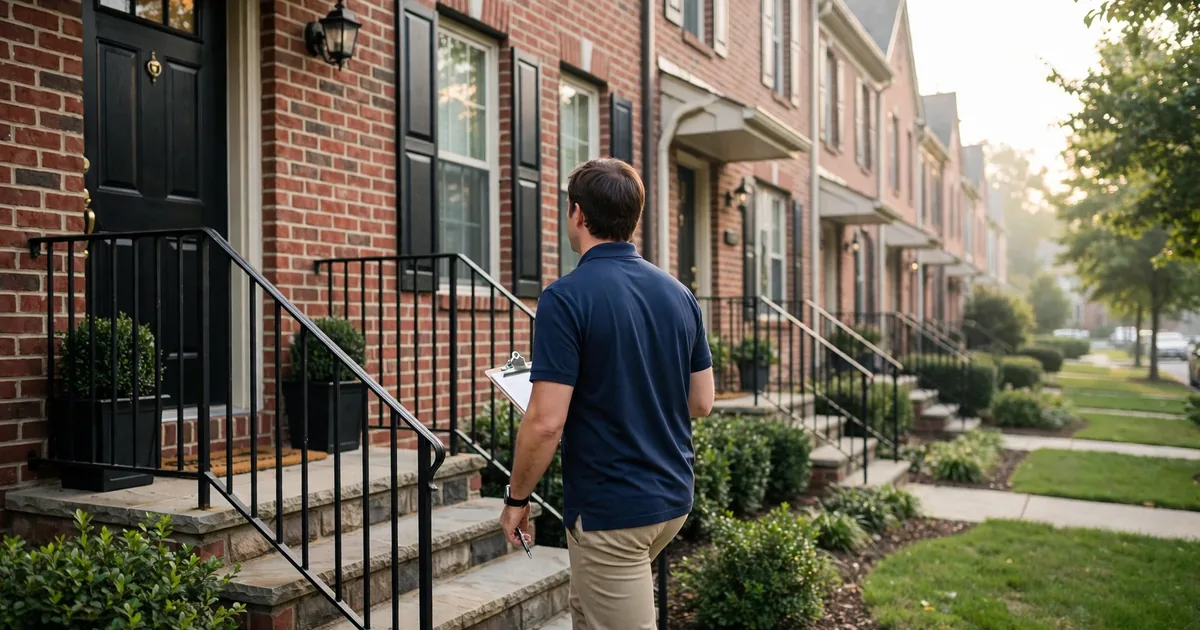
The Short Answer: What a VA Inspection Covers
Short answer: in Virginia a home inspection is a written evaluation of the readily accessible components of a residential building, covering heating, cooling, plumbing, and electrical systems, structural components, the foundation, the roof, the masonry structure, and exterior and interior components. It is not a warranty, a code compliance certificate, or a prediction of future life. Since July 1, 2017, Virginia requires home inspectors to be licensed by the Board for Asbestos, Lead, and Home Inspectors under DPOR, so confirm the inspector's license number on the DPOR lookup before you book. If the property is new construction, Virginia adds another layer: only an inspector with the New Residential Structure (NRS) specialty designation should inspect it, which requires an 8-hour Board-approved training module on the Virginia Residential Code plus ongoing specialty continuing education.
The 9 Systems on Every Virginia Inspection
What does that cover in practice on a Fairfax homes, Vienna homes, Arlington homes, or Ashburn homes townhome, condo, or small-lot detached? The inspector walks the roof and drainage, exterior walls, grading, and driveways, the foundation and visible structure including accessible attics and crawlspaces, the electrical service panel and representative outlets, the plumbing including water heater and fixtures, the heating and cooling systems, the interior doors, windows, floors, stairs, and railings, insulation and ventilation where accessible, and permanently installed appliances. Virginia regulations require the report to be a written evaluation of those readily accessible components, identify the licensee with license number, name the client, and give the physical address inspected.
What's NOT Covered (and Needs a Separate Pro)
Equally important is what is not covered. Virginia contract language expressly excludes asbestos, lead-based paint, mold, and radon from a standard home inspection. Testing for any of those four requires specific credentials and in some cases licensure, and your inspector must disclose the exclusion in the contract. The inspector also does not move furniture, open up walls, walk a roof that is unsafe, enter inaccessible crawlspaces, or report on what cannot be seen. Wood-destroying insects, the sewer lateral, a chimney flue, a pool, and a septic system are typically separate inspections with their own pros and their own reports. If an inspector offers opinions on mold or radon without the credential to back it, that is a red flag.
Why Inspections Matter More in a Caveat Emptor State
Virginia is a caveat emptor, or buyer-beware, state. The Virginia Residential Property Disclosure Act requires the seller to deliver a disclosure statement, but it is a disclaimer document, not a guarantee of condition. Under Code of Virginia 55.1-709 there are specific timing rules for when disclosures are delivered, and a late delivery can give the buyer a limited right to cancel. Because the seller is not required to volunteer most defects, the inspection is the buyer's real investigation. Treat the inspection window as your one structured chance to learn the house: ask the seller direct written questions through your agent about the roof age, any basement moisture, the HVAC service history, and past repairs before the inspector arrives.
How the VA Inspection Contingency Actually Works
How the contingency actually works comes from the NVAR home inspection addendum that most Northern Virginia contracts use. The contract is contingent until 9 p.m. a set number of days after ratification, commonly 7 to 14 days, for inspection by licensed, professional, insured inspectors at the buyer's expense. The seller must have all utilities in service, and if they are not, the deadline extends. If the results are unsatisfactory in the buyer's sole discretion, the buyer must deliver the entire report plus either a written addendum listing the specific deficiencies and proposed remedies, or a notice voiding the contract. If the buyer misses the deadline without delivering one of those, the contingency expires and the contract moves forward without it. After an inspection addendum is delivered, both sides get a negotiation period, again to 9 p.m., to agree on repairs or credits in writing.
Specialty Inspections NoVA Buyers Commonly Add
NoVA buyers commonly add specialty inspections because of local housing stock. Radon testing is the big one: Fairfax County and Loudoun County sit in zones where a meaningful share of tested homes show elevated levels, the EPA action level is 4.0 picocuries per liter, and mitigation usually runs a sub-slab pipe and fan, so ordering radon with the home inspection is the norm here, not the exception. A wood-destroying insect report, the termite letter, is routine in Virginia contracts and some lenders require it. Homes on well and septic in western Loudoun, parts of Fairfax Station, Clifton, and Prince William need separate well and septic inspections with records from the health department. A sewer lateral scope is smart money for older townhomes and ramblers with aging lines. Homes with fireplaces can get a chimney sweep's level of flue review, and buyers of pre-1978 homes should read the federal lead-based paint disclosure and consider targeted evaluation.
How to Read the Report Like a Negotiator
How to read the report like a negotiator: triage it into three buckets. Bucket one is safety and lender flags, the things that change whether you can or should close, like double-tapped breakers and missing GFCI protection, active water intrusion, structural movement, a roof at the end of its life, or a dead furnace in January. Bucket two is deferred maintenance with a clock on it, such as a 15-year-old water heater or aging HVAC, negative grading at the foundation, or deteriorated sealant and flashing. Bucket three is cosmetic, the scuffs, caulk, and minor wear not worth burning goodwill over. An appraiser prices off subdivision comps, not your inspection report, so the report does not set value, but FHA and VA loans carry their own minimum property requirements, and the appraisal can flag the same roof, paint, and safety items your inspector found. Buyers who get the best outcomes attend the inspection or join by video, photograph the three biggest items with the inspector, and ask for specifics instead of sending a blanket repair list.
Search live Fairfax homes, Vienna homes, Arlington homes, and Ashburn homes in the Cities We Serve hub and pair your shortlist with an inspection-first timeline. Sources: Code of Virginia 54.1-4100 to 54.1-4101 home inspection definitions, DPOR Board for Asbestos, Lead, and Home Inspectors notice on mandatory licensure effective July 1, 2017 and the NRS specialty designation, 18VAC15-40-130 home inspection report requirements, Virginia Code 55.1-709 disclosure delivery timing, NVAR Home Inspection Contingency addendum mechanics including the 9 p.m. deadline, utilities requirement, and negotiation period, ASHI Standard of Practice coverage and exclusions. Cornerstone analysis from 5 to 10 closes a month as a team, not a county stat: specific deficiencies with photos close faster than blanket repair lists. God Family Business.
Text Cornerstone Realty Group at (571) 441-1031 for a 5-minute pre-offer inspection plan for your block, including which specialty add-ons your property type needs and the inspector questions that catch the expensive items.